Explore the Universe of Fair Trade Tea: Superior Brews That Champion Sustainable Practices
Fair Trade tea exemplifies a harmonious fusion of merit and values. Each cup yields a singular taste character while fostering ethical agricultural methods. This avenue not only betters the tea moment but also raises marginalized farmers. Acknowledging its heritage and certification processes brings to light deeper layers of importance. As individuals become more deliberate about their choices, the consequence of Fair Trade tea moves further than flavor profile. What supports the surface of these choices?
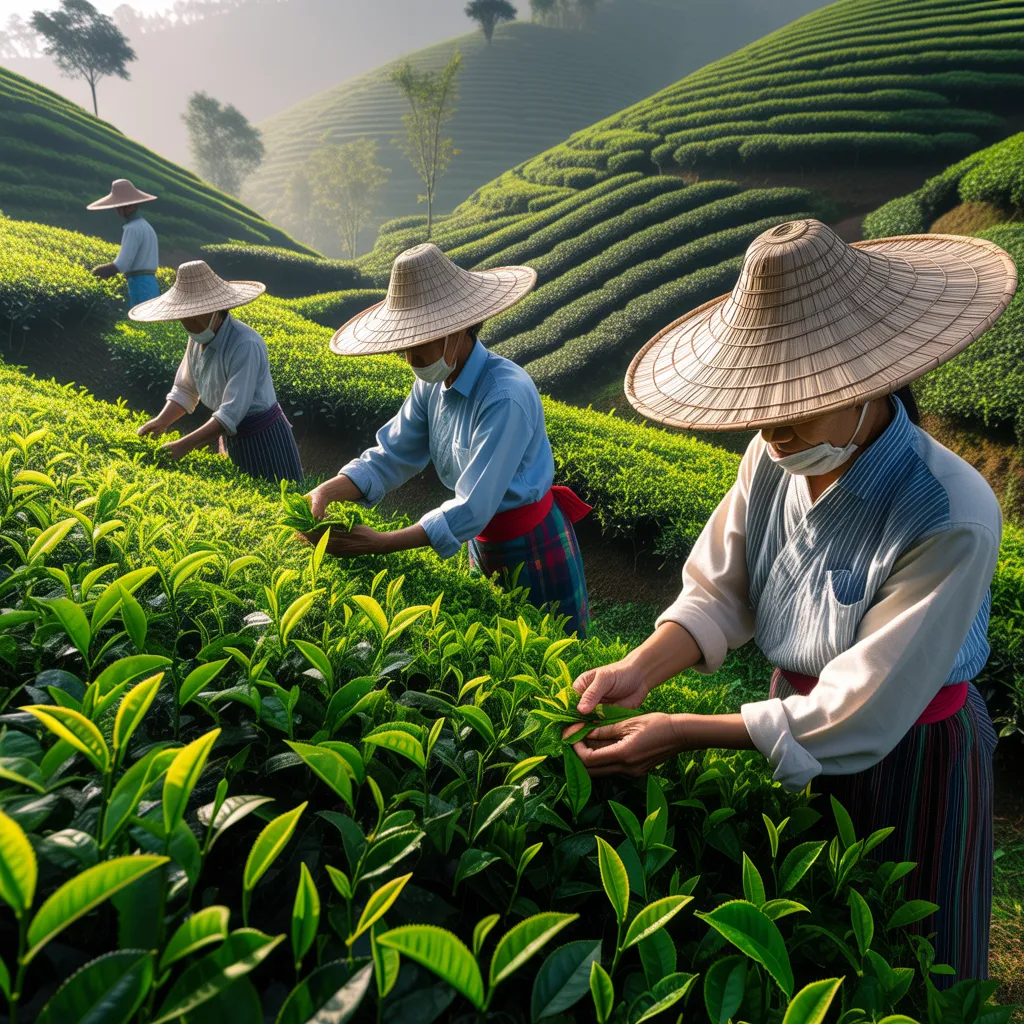
Find Out the Sources of Fair Trade Tea
Fair Trade tea has its origins to the social and economic initiatives aimed at improve the living conditions of marginalized farmers. Beginning in the late 20th century, this initiative attempted to tackle disparities in international commerce, especially in developing countries where tea is often cultivated. The movement gained traction as shoppers became progressively aware of the harsh realities faced by small-scale farmers, including unjust prices and exploitation by large corporations.
Through collaborative frameworks, Fair Trade sought to empower these farmers, ensuring they received fair compensation and support for sustainable farming practices. The movement also concentrated on advancing ecological stewardship, promoting organic farming and biodiversity. As knowledge grew, Fair Trade tea functioned as a representation of ethical consumption, connecting consumers directly with the origins of their beverages. By choosing Fair Trade tea, individuals contribute to a larger goal of social justice and economic equity, building a more sustainable future for tea-growing communities.
Explore fair commerce standards for sustainable initiatives
Comprehending Fair Trade certification is essential to recognizing how sustainable practices are upheld within the tea industry. This certification guarantees that producers receive fair wages and work under safe conditions, which directly leads to community development. Fair Trade standards promote environmentally sustainable farming methods, see this article reducing the use of harmful chemicals and encouraging biodiversity.
Certification also fosters transparency in the distribution network, enabling customers to trace their tea back to its origin. By adhering to these standards, farms engage in methods that safeguard environmental assets and sustain local environments. Additionally, Fair Trade organizations often provide learning materials and training to farmers, enabling them to improve their production methods and economic stability.
In the end, Fair Trade certification improves the quality of tea while also matching buyer preferences with responsible and sustainable values, rendering it a essential component of the tea sector's commitment to community responsibility and ecological stewardship.
Explore Best Selection of Fair Trade Tea
While many tea enthusiasts appreciate the robust taste and aroma of countless tea blends, delving into the top varieties of Fair Trade tea exposes a deeper commitment to ethical sourcing and sustainability. Some sought-after options present Fair Trade Assam, characterized by its intense, malt-forward notes, and Fair Trade Darjeeling, often known as the "Champagne of teas" for its delicate floral notes. Another notable variety is Fair Trade Earl Grey, enhanced with bergamot, offering a unique citrus twist.
Additionally, Fair Trade Green Tea, celebrated for its stimulating qualities and health benefits, is increasingly favored among health-conscious consumers. Herbal blends, such as Fair Trade Chamomile and Peppermint, also shine, offering soothing and calming effects. Each of these varieties not only offers exceptional flavor but also supports farmers and communities working for better livelihoods, making them a responsible choice for tea lovers seeking quality and ethical assurance.
Brewing Fair Trade Tea: Advice for an Excellent Cup
To prepare the ultimate cup of Fair Trade tea, precision is essential, as the right methods can highlight the tea's distinctive notes and scents. The first step is that water quality is paramount; using purified water ensures a clean taste that allows the tea's characteristics to shine. Also, the water temperature is important; tea types require precise temperatures; black tea needs boiling water and a lower temperature is ideal for green or herbal varieties.
Then, the steeping time should be strictly observed. Oversteeping can cause a bitter flavor, while understeeping may not unlock the full flavor profile. A typical suggestion is 3-5 minutes for black tea and 2-3 minutes for green tea.
Finally, employing the proper proportion of tea to water enhances the flavor; one teaspoon of loose tea per cup is a solid foundation. By adhering to these tips, tea lovers can fully appreciate the rich offerings of Fair Trade tea.
Environmental Advantages of Ethically Sourced Tea
Brewing Fair Trade tea not only elevates the tea encounter but also backs eco-friendly farming methods that advantage the ecosystem. Fair Trade accreditation encourages farmers to use organic farming methods, which minimize the reliance on damaging chemicals and synthetic inputs. This approach fosters biodiversity, helping to preserve local habitats and protect wildlife habitats.
Furthermore, Fair Trade methods often highlight soil health and water conservation, ensuring that tea cultivation does not drain essential resources. By assisting small-scale farmers, Fair Trade also encourages agroforestry, which merges tea cultivation with other crops and trees, further boosting environmental resilience.
Additionally, Fair Trade tea frequently includes environmentally responsible wrapping and delivery systems, decreasing the greenhouse gas emissions tied to its distribution. In summary, selecting Fair Trade tea shows a deliberate commitment to foster a more sustainable farming approach that respects both the Earth and its inhabitants.

The Way Your Tea Selection Supports Societies Worldwide
Embracing Fair Trade tea aids communities globally by supplying farmers with equitable wages and superior labor practices. This commitment assures that tea makers can copyright their livelihoods while channeling resources in their kin and area economies. By obtaining Fair Trade tea, patrons enable the creation of necessary local services, such as instruction and healthcare.
Fair Trade certification promotes responsible conduct, requiring companies to adhere to guidelines that prioritize employee protections and ecological responsibility. As a consequence, growers are incentivized to grow high-quality tea, which not only enhances their income but also fosters pride in their craft.
In addition, the direct trade relationships established through Fair Trade bypass exploitative middlemen, allowing farmers to contact with end-users worldwide. This openness strengthens trust and advances a global appreciation for the cultural significance of tea. Ultimately, each cup of Fair Trade tea functions as a reminder of the favorable outcome individuals can have on planetary communities through aware consumption.
Commonly Inquired Questions
How Can I Recognize Fair Trade Tea Products in Stores?
To find fair trade tea products in stores, one should check for official certifications, such as Fair Trade Certified or Rainforest Alliance. Additionally, examining companies dedicated to sustainable practices can assist in choosing wisely.
Can You Find Any Wellness Perks Associated With Fair Trade Tea?
Fair trade tea can deliver numerous health advantages, including antioxidants that enhance cardiovascular health, enhanced digestive wellness, and improved mental focus. Moreover, ethical procurement methods bolster sustainable agricultural practices, ultimately fostering a more vibrant environment and stronger community health.
How Can I Source Ethically Sourced Tea in Digital Shopping Platforms?
Yes, fair trade tea is widely available in e-commerce sites. Numerous retailers present a extensive array of brands and blends, confirming consumers can easily access ethically sourced options that champion both environmental stewardship and worker rights.
What Impact Does Fair Trade Tea Have on Regional Economies?
Fair trade tea positively impacts local economies by offering farmers equitable compensation, fostering community development, and encouraging sustainable farming practices. This assistance enhances livelihoods, promotes economic stability, and enables communities to invest in education and healthcare.
How Can I Preserve Fair Trade Tea to Ensure Superior Freshness?
To enhance freshness, fair trade tea should be kept in a sealed jar, away from humidity, light, and pungent smells. Maintaining it in a dark, cool location helps maintain its flavor and aroma over time.